The Anxiety Of Images
Julian Stallabrass
JULIAN STALLABRASS
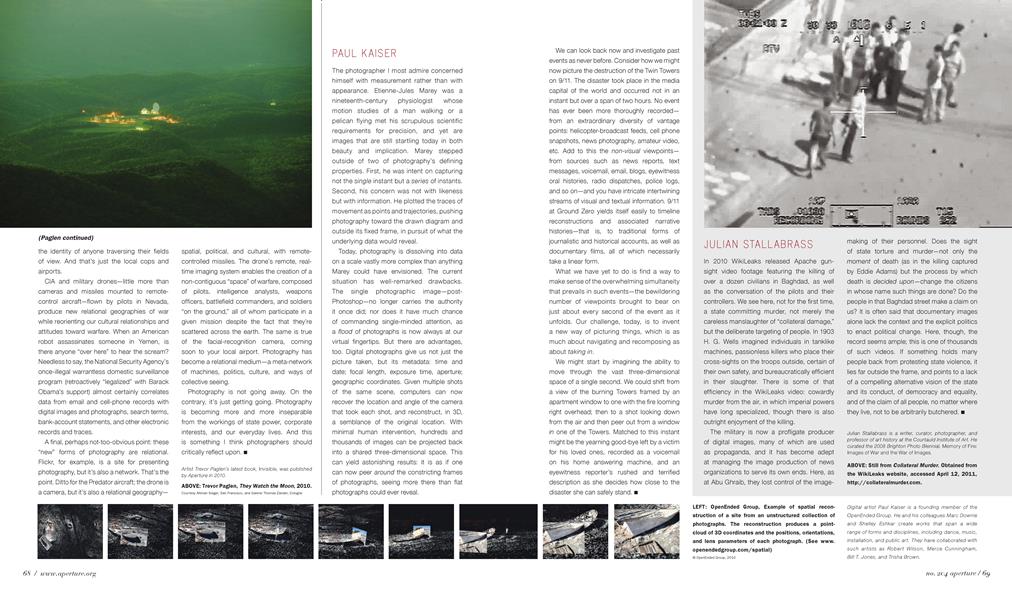
In 2010 WikiLeaks released Apache gun-sight video footage featuring the killing of over a dozen civilians in Baghdad, as well as the conversation of the pilots and their controllers. We see here, not for the first time, a state committing murder, not merely the careless manslaughter of "collateral damage,” but the deliberate targeting of people. In 1903 H. G. Wells imagined individuals in tanklike machines, passionless killers who place their cross-sights on the troops outside, certain of their own safety, and bureaucratically efficient in their slaughter. There is some of that efficiency in the WikiLeaks video: cowardly murder from the air, in which imperial powers have long specialized, though there is also outright enjoyment of the killing.
The military is now a profligate producer of digital images, many of which are used as propaganda, and it has become adept at managing the image production of news organizations to serve its own ends. Here, as at Abu Ghraib, they lost control of the image-
making of their personnel. Does the sight of state torture and murder—not only the moment of death (as in the killing captured by Eddie Adams) but the process by which death is decided upon—change the citizens in whose name such things are done? Do the people in that Baghdad street make a claim on us? It is often said that documentary images alone lack the context and the explicit politics to enact political change. Here, though, the record seems ample; this is one of thousands of such videos. If something holds many people back from protesting state violence, it lies far outside the frame, and points to a lack of a compelling alternative vision of the state and its conduct, of democracy and equality, and of the claim of all people, no matter where they live, not to be arbitrarily butchered. ■
Julian Stallabrass is a writer, curator, photographer, and professor of art history at the Courtauld Institute of Art. He curated the 2008 Brighton Photo Biennial, Memory of Fire: Images of War and the War of Images.
More From This Issue
-
 Dialogue
Talking Pictures
Fall 2011 -
 Essay
Essay"This Is The Photo League"
Fall 2011 -
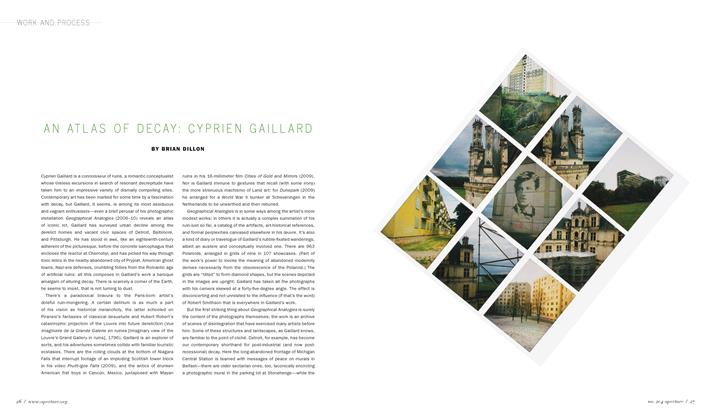 Work And Process
An Atlas Of Decay: Cyprien Gaillard
Fall 2011 -
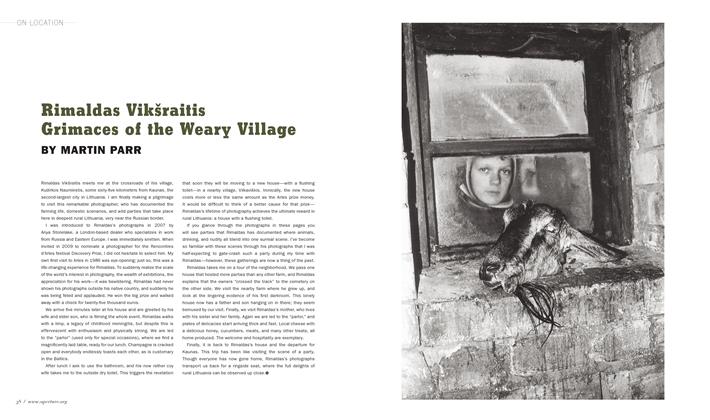 On Location
Rimaldas Vikšraitis: Grimaces Of The Weary Village
Fall 2011 -
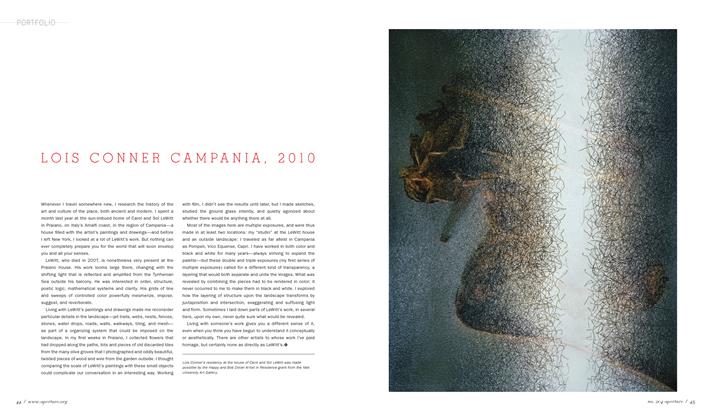 Portfolio
Lois Conner: Campania, 2010
Fall 2011 -
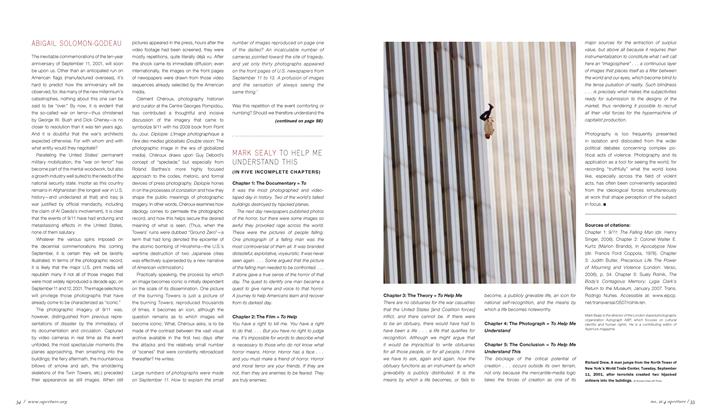 The Anxiety Of Images
Abigail Solomon-Godeau
Fall 2011
Julian Stallabrass
The Anxiety Of Images
-
The Anxiety Of Images
Mark Sealy To Help Me Understand This
Fall 2011 -
 The Anxiety Of Images
Adam Broomberg & Oliver Chanarin
Fall 2011 -
 The Anxiety Of Images
Anne Wilkes Tucker Releasing Fear
Fall 2011 -
 The Anxiety Of Images
David Cole
Fall 2011 -
 The Anxiety Of Images
Anne Nivat And Pieranna Cavalchini
Fall 2011 -
 The Anxiety Of Images
Yasmine El Rashidi
Fall 2011
