THE PHOTOBOOK REVIEW
Sem Langendijk
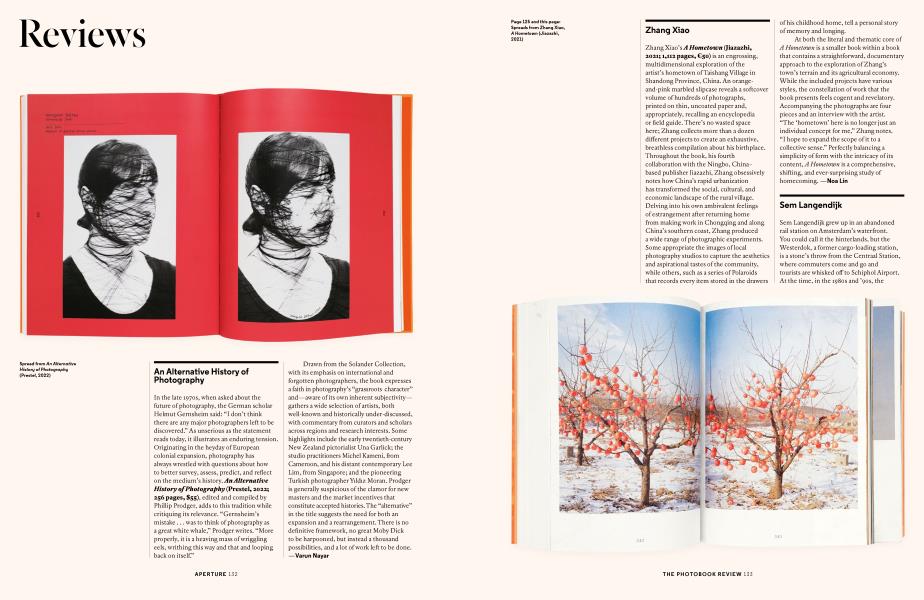
Sem Langendijk
Sem Langendijk grew up in an abandoned rail station on Amsterdam’s waterfront.
You could call it the hinterlands, but the Westerdok, a former cargo-loading station, is a stone’s throw from the Centraal Station, where commuters come and go and tourists are whisked off to Schiphol Airport. At the time, in the 1980s and ’90s, the Westerdok was settled by a community that transformed the building into homes and art studios. Langendijk played in the gardens planted around the quay’s tracks, and his parents made a bedroom in an old ticket office. Then, on the hinge of the new millennium, the idyll was destroyed and the community scattered, all in the name of development and regeneration.
“By the time I realized it was a special environment, it was already gone,” Langendijk says, an experience that became the motivation for Haven (The Eriskay Connection, 2022; 152 pages, €38), a book about cities in transition.
For six years, beginning in 2014, he photographed industrial and fringe neighborhoods in Amsterdam, New York, and London, creating a meditative profile of urban deterioration, growth, joy, and memory, united by a velvety, sun-stippled color palette that suggests the influence of the photographers Jamie Hawkesworth and Gregory Halpern. There are falling-down buildings and graffiti, construction cranes and glassy skyscrapers, yet Langendijk resists the archaeological spectacle of picturing ruin as devoid of emotion. His portraits are, likewise, empathic. His subjects, with their beards, tattoos, and overalls, appear as characters in a short story.
None of the photographs are captioned or dated, including the typologies at the book’s conclusion (fast-food shops, shipyards), which form a visual conversation with the writer Taco Hidde Bakker’s essay on gentrification, an account of what we might lose when the “intense mingling” once characteristic of urban life disappears in the quest for a bright, shiny future.
Brendan Embser

Brendan Embser
THE PHOTOBOOK REVIEW
-
 THE PHOTOBOOK REVIEW
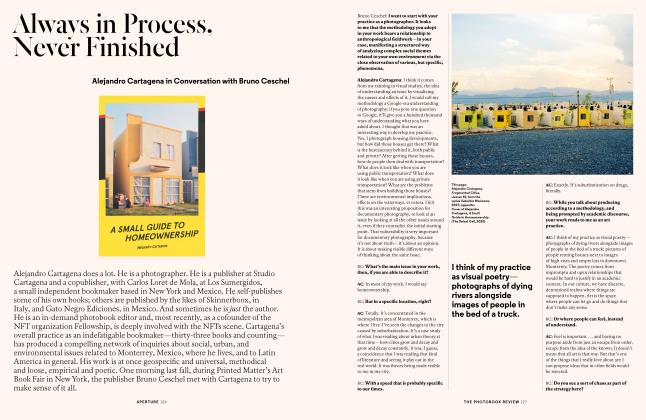
Always In Process, Never Finished
SPRING 2023 -
 THE PHOTOBOOK REVIEW
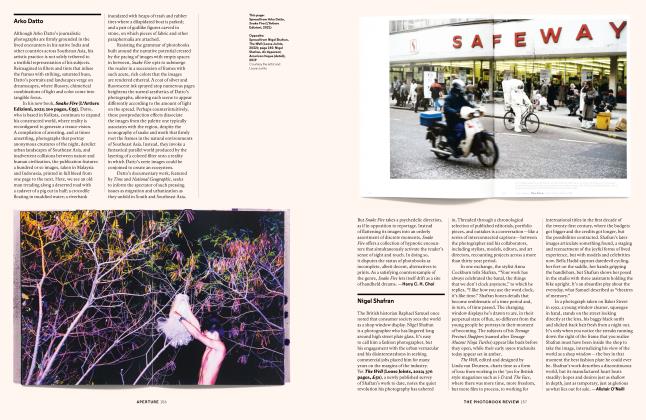
Nigel Shafran
FALL 2022 -
 THE PHOTOBOOK REVIEW
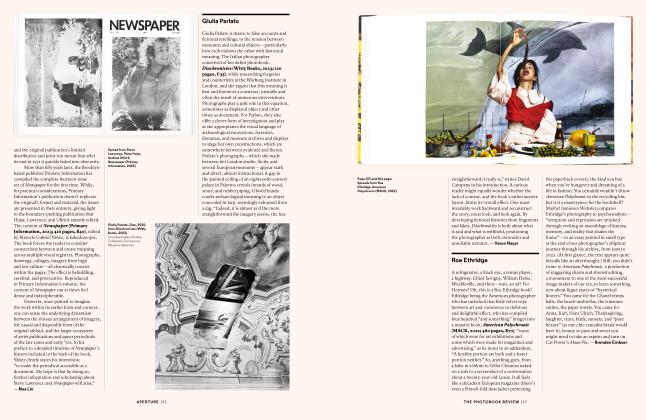
Roe Ethridge
SUMMER 2023 -
 THE PHOTOBOOK REVIEW
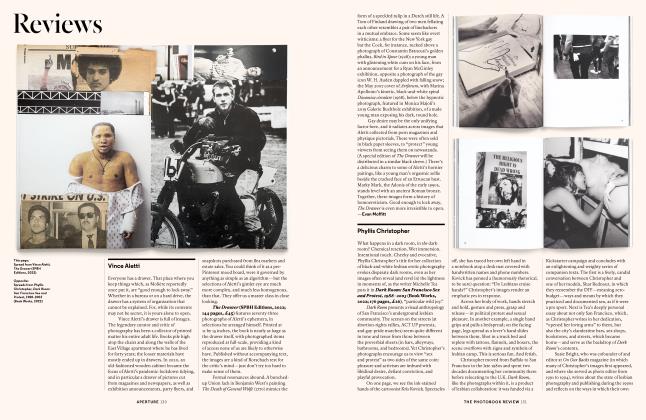
Vince Aletti
WINTER 2022 -
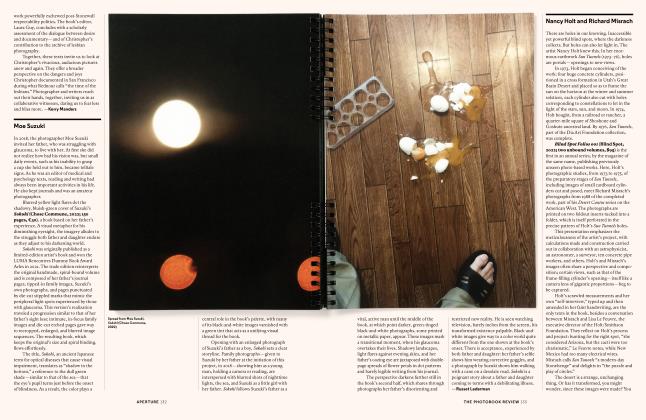 THE PHOTOBOOK REVIEW
Nancy Holt and Richard Misrach
WINTER 2022 -
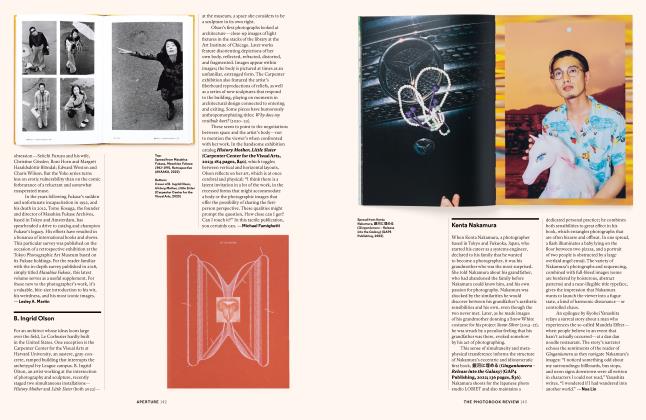 THE PHOTOBOOK REVIEW
Kenta Nakamura
FALL 2023

